
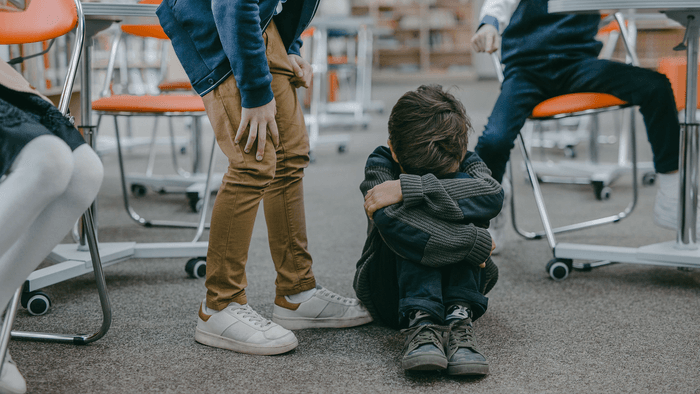

Not all forms of bullying are loud or obvious. Sometimes, the deepest hurt comes from being ignored, excluded, or made to feel invisible.
School is where young people build friendships, discover who they are, and find a sense of belonging. While most discussions about student well-being focus on academic pressure or overt bullying, the quieter experience of social exclusion often goes unnoticed. It can be as simple as not being invited to join a group, being left out of conversations, or constantly feeling like an outsider among peers.
These moments may seem small, but when they happen repeatedly, they can affect a student's confidence and self-worth. Over time, exclusion can lead to feelings of loneliness, anxiety, and isolation. Students may begin to withdraw, convinced that they do not fit in or that their presence does not matter.
Creating a more inclusive school environment does not require dramatic changes. Small actions like inviting a classmate to join a conversation, checking in on someone who seems withdrawn, or simply acknowledging others with kindness can make a meaningful difference.
While exclusion may not leave visible scars, its impact can be lasting. In a time when student well-being is increasingly important, recognizing the value of belonging may be one of the most powerful ways to support young people. Sometimes, making someone feel included is enough to remind them that they matter.