
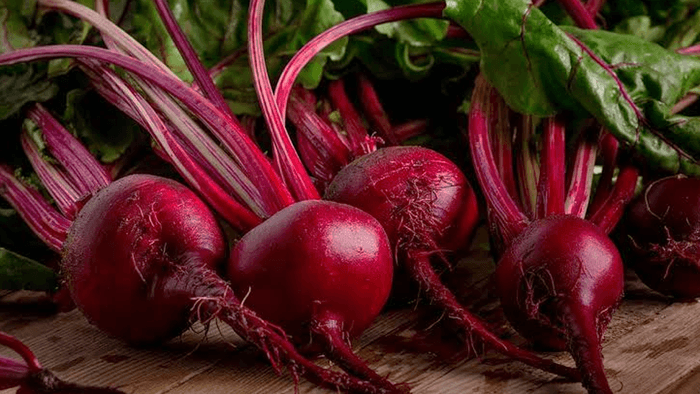

Looking for natural ways to support healthy blood pressure and cholesterol levels? Red beets may be a good addition to your daily diet. These colorful root vegetables are packed with nutrients that can help support your overall health.
Red beets contain natural nitrates that the body converts into nitric oxide. This compound helps relax and widen blood vessels, allowing blood to flow more easily. As a result, consuming beets may help lower blood pressure. Their natural nitrates may also improve oxygen delivery to the muscles, helping support stamina and endurance during exercise. Better blood flow may also support brain health, although more research is needed to confirm their long-term effects on memory and thinking. Another benefit of red beets is their fiber content. Fiber helps keep your digestive system healthy by adding bulk to stool, preventing constipation, and supporting good bacteria in the gut. Eating enough fiber may also help manage cholesterol and blood sugar levels, reducing some risk factors for heart disease.advertisement
Red beets also contain betalains, natural pigments that give them their bright red color. These compounds have antioxidant and anti-inflammatory properties that help protect the body's cells from damage.
In addition, red beets provide important nutrients such as potassium, magnesium, iron, folate, and vitamin C. Their green leaves are also nutritious, providing vitamins A, C, and K.
Despite their many nutrients, red beets are low in calories, making them a good choice for people who want to maintain a healthy weight. They can add color, flavor, and nutrients to meals without adding too many calories.
Red beets are also easy to prepare in different ways. You can eat them raw in salads, blend them into juice, pickle them as a side dish, or roast or steam them. Their leaves can also be cooked and added to meals.
However, eating more beets does not always mean getting more health benefits. Beets contain oxalates, which may increase the risk of kidney stones in people who are prone to them. Eating large amounts may also cause digestive discomfort, including gas, bloating, and stomach cramps. Beets can also turn urine or stool pink or reddish, which is usually harmless.
For most people, red beets can be part of a healthy, balanced diet when eaten in reasonable portions. However, they should not replace prescribed medication or medical advice for high blood pressure or cholesterol.
The key is moderation. Enjoy red beets alongside a variety of fruits, vegetables, whole grains, and other nutritious foods to help support your overall health.