advertisement
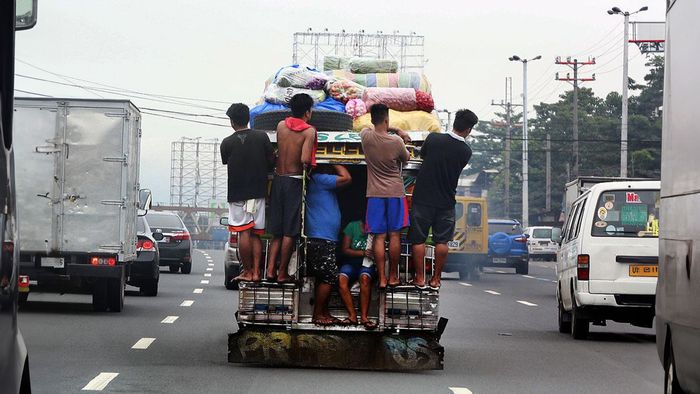
Operators who let in more passengers than allowed may face hefty penalties. These include paying fines, getting their vehicles suspended, or even losing their franchise. Each public vehicle has a passenger limit based on its size and type. For example, vans like the Toyota Hi-Ace should only carry 10 people, while jeepneys should not go over what they’re built to handle. Buses can have more seats, but long-distance routes don’t allow passengers to stand at all.
As much as it's tempting to squeeze in just to get home faster, we suggest avoiding it—not just because it breaks the law, but for your own safety too. Overcrowded rides increase the risk of accidents and make commuting even more uncomfortable. So the next time you're about to hop on a packed ride, think twice. Your safety should always come first.
If you’ve ever been squeezed into a van or left hanging on the edge of a jeep, know that you can speak up. LTFRB encourages commuters to report any overcrowding by sending the vehicle's plate number, location, and time to their Facebook page or to their email at [email protected]. Your report can help make commuting safer and more comfortable for everyone.

Overcapacity in jeeps, vans, and buses? LTFRB says it's illegal
Maybe you're one of those commuters who still hop on overcrowded buses or vans, even when there's barely any space left and you end up feeling like "sardinas." It might feel normal by now, but here's something you probably didn’t know—what you’re doing is actually illegal.
The Land Transportation Franchising and Regulatory Board (LTFRB) recently reminded the public and PUV operators that overcrowding is not allowed in jeepneys, vans, and buses. For years, Filipinos have accepted this kind of commute as normal, squeezing into the tiniest spaces just to get home. But now, the LTFRB is serious about stopping this unsafe practice and will start cracking down on violators.