advertisement
So, how much more do motorists need to pay? For Class 1 vehicles, including cars and SUVs, the toll fee has increased from ₱88 to ₱103. Class 2 vehicles, such as buses and light trucks, will now pay ₱207 instead of ₱176. Meanwhile, Class 3 vehicles, including heavy trucks, will be charged ₱310, up from ₱264.
That's an additional ₱15 to ₱46 per trip, depending on the vehicle classification. For motorists who use this route daily, those extra pesos can definitely add up!
But what about commuters? Could this also mean higher jeepney, UV Express, or bus fares? Not necessarily! While the toll increase may add to the operating expenses of public transport operators using the expressway, it doesn't automatically mean another fare hike. Any adjustment in public transport fares would still need approval from the LTFRB.
To help ease the additional expenses, eligible public transport operators can also receive toll rebates under a temporary assistance program.
So, whether you're driving your own car or taking public transportation, it's best to stay updated on possible transport announcements and plan your travel budget ahead.
Because these days, getting to your destination is one thing, but making sure your wallet survives the trip is another! Travel smart and rock on!

Higher CAVITEX toll rates now in effect! Motorists, take note!
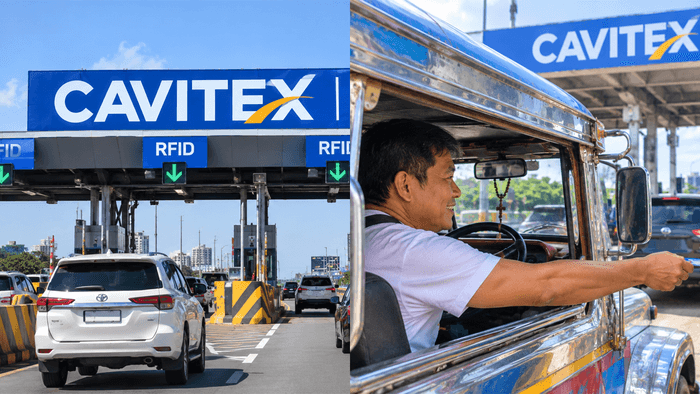
Planning to travel between Metro Manila and Cavite? Well, you might want to prepare your budget because toll fees along the CAVITEX R-1 Expressway Extension have officially increased!
The new toll rates took effect on October 28, 2026, following the approval of the Toll Regulatory Board (TRB). The adjustment covers the route from Zapote, Las Piñas to Kawit, Cavite.