
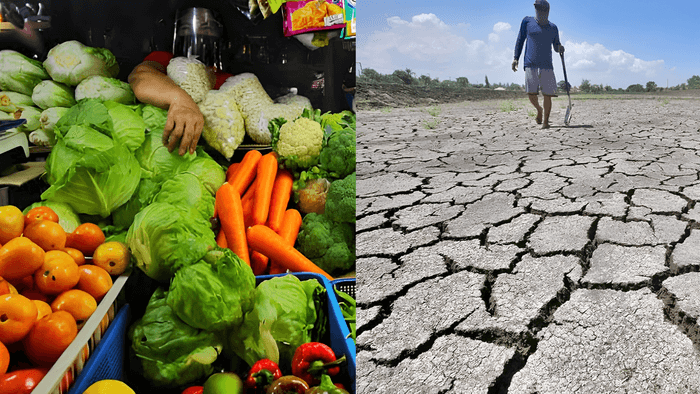

Food prices are facing renewed pressure after food inflation climbed to 6.8% in September, prompting the Department of Agriculture (DA) to strengthen measures to keep food supplies stable and prices from rising further.
The increase was driven largely by higher prices of rice, vegetables, seafoods, and fruits, as weather disruptions affected food production and transportation. Rising fuel costs also increased expenses for moving agricultural products from farms to markets.
Rice remained one of the biggest sources of food price hike, with inflation reaching 20.3% in September from 19.4% in August. Vegetable and related product prices also rose sharply, recording 10.7% inflation after declining by 3.4% in August.
Agriculture Secretary, Francisco P. Tiu Laurel Jr. said that the government is preparing for possible supply problems connected to climate conditions. The DA is setting aside ₱45 billion for its El Niño response, with ₱6.2 billion already released. Stressing the need to keep food supplies stable during climate-related disruptions.
The DA said that they are also using measures such as importation when necessary, while providing assistance to farmers, fisherfolk, and agricultural truckers affected by higher production and transportation costs.
The government will continue monitoring food supplies and prices as the country prepares for a possible Super El Niño later this year through the first half of 2027. PAGASA expects the most severe conditions to affect agriculture, fisheries, and livestock from November to April.