
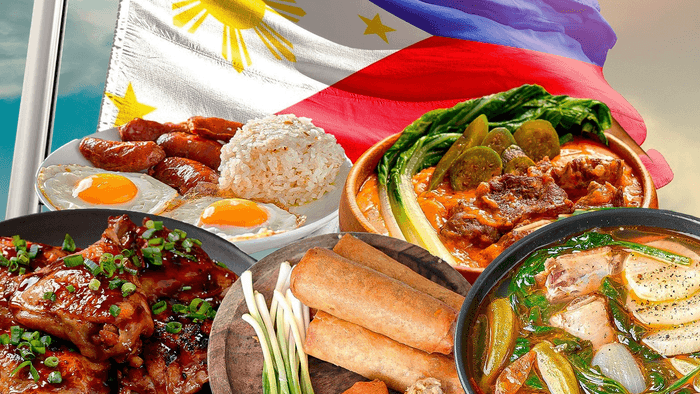

Every August, Buwan ng Wika reminds Filipinos that language is more than just words—it is a reflection of our history, traditions, and identity. One of the best ways to celebrate our culture is through food, where every recipe carries a story passed down from one generation to the next.
From family gatherings to local fiestas, these beloved Filipino dishes showcase the rich flavors and diverse heritage of the Philippines.
1. Adobo
Often regarded as the country's unofficial national dish, adobo has countless regional variations. Whether cooked with chicken, pork, or seafood, its savory blend of vinegar, soy sauce, garlic, and spices represents the creativity of Filipino home cooking.
Known for its comforting sour broth, sinigang is a staple in many Filipino households. Different regions use ingredients such as tamarind, guava, or calamansi to create its signature flavor, proving that every community has its own unique take on a classic.
3. Kare-Kare
Made with a rich peanut sauce and served with bagoong, kare-kare is a festive favorite often enjoyed during family celebrations. Its hearty flavors highlight the importance of sharing meals with loved ones.
4. Laing
A specialty from the Bicol Region, laing combines dried taro leaves, coconut milk, and chilies into a dish that's both creamy and flavorful. It reflects the region's love for coconut-based cuisine and bold flavors.
5. Sisig
Originally from Pampanga, sisig has become one of the Philippines' most iconic dishes. What started as a practical way to use every part of the pig has evolved into a favorite served in restaurants and gatherings nationwide.
6. Pancit
Whether it's palabok, canton, bihon, or Malabon, pancit has long been associated with birthdays and celebrations as a symbol of long life and prosperity.
7. Bibingka and Puto Bumbong
Although commonly enjoyed during the Christmas season, these native delicacies showcase the country's rich tradition of rice-based kakanin and the craftsmanship behind Filipino cooking.
A colorful mix of shaved ice, milk, fruits, beans, jellies, and ube, halo-halo perfectly represents the diversity of Filipino culture—different ingredients coming together to create something uniquely delicious.
As we celebrate Buwan ng Wika, let's remember that our language lives not only in books and conversations but also in the dishes we prepare, the recipes we preserve, and the meals we share. Every Filipino food tells a story, connecting generations and keeping our culture alive—one bite at a time.